
When construction begins – insurance considerations for Property Owners
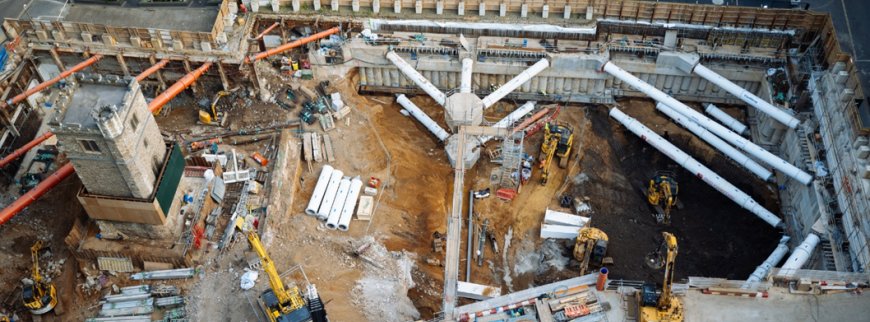
Construction and refurbishment projects are a regular part of managing commercial property assets. Whether upgrading common areas improving energy performance or undertaking structural redevelopment, works can enhance the long-term value of a building.
Alongside the opportunities these projects create, they can also introduce new risk considerations. Construction insurance plays an important role in helping ensure projects are appropriately protected throughout the build period.
Understanding the types of insurance typically considered during construction works can support more effective planning and risk management.
During construction or refurbishment works, buildings may be exposed to different risks compared to when they are fully operational.
Examples include:
- damage to works in progress
- fire risk during hot works
- theft of materials or equipment
- structural alterations
- third party injury or property damage
- delays caused by insured events
Construction insurance helps provide protection during the build period and may assist in supporting continuity of projects where unexpected events occur.
Contract Works InsuranceContract works insurance typically covers damage to the works being undertaken during the construction period.
This may include protection for:
- materials on site
- works in progress
- temporary structures
- partially completed works
Responsibility for arranging contract works cover may depend on the contract structure in place, such as JCT agreements.
It is important to establish whether cover is being arranged by the contractor, developer or property owner.
Construction projects often involve multiple parties, including contractors, subcontractors and consultants.
Public liability insurance may respond where third parties suffer injury or property damage arising from construction activities.
This may be particularly relevant where works are taking place in occupied buildings or busy urban environments.
Where refurbishment works are undertaken within an existing building, cover for the existing structure may also be relevant.
Depending on the nature of the works, insurers may require clarity regarding:
- scope of structural alterations
- project value
- duration of works
- contractor experience
- fire risk management procedures
Ensuring clarity around responsibilities between parties can help support continuity of cover.
Fire Risk and Risk ManagementConstruction works can introduce additional fire risk, particularly where hot works are involved.
Risk management procedures may include:
- hot works permits
- supervision of contractors
- fire safety controls
- site security measures
- storage of materials
Insurers may request information regarding risk management arrangements prior to confirming cover.
Construction Insurance as Part of Project PlanningInsurance is often considered alongside wider project planning considerations.
Providing insurers with clear information regarding:
- contract value
- scope of works
- project timeline
- contractor details
- risk management procedures
can assist in ensuring appropriate cover arrangements are in place prior to works commencing.
Early consideration of insurance requirements can help support smooth project progression.
Refurbishment and development projects are often undertaken to enhance the long-term value and performance of property assets.
Ensuring appropriate insurance arrangements are in place forms part of the wider risk management framework surrounding construction projects.
Clear communication between property owners, contractors and advisers can help ensure projects proceed with clarity regarding insurance responsibilities.
If you are planning refurbishment or construction works and would like to discuss insurance considerations, our team would be happy to assist.


