
Renovating a property? Make sure your insurance doesn’t let you down
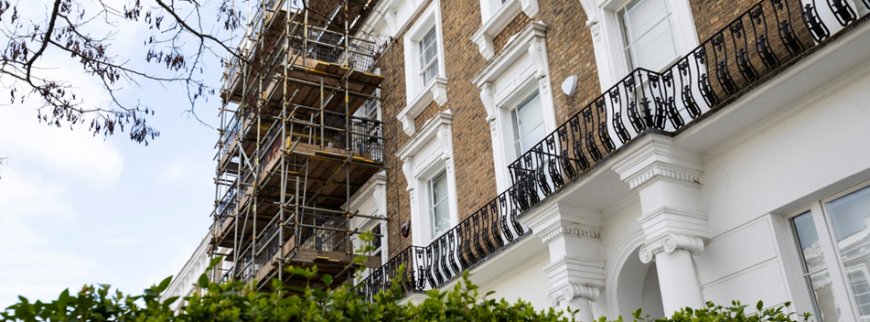
Renovation projects can add significant value to a property. Whether you’re upgrading business premises, refurbishing a rental property, or extending a commercial building, the right improvements can increase both functionality and market value.
However, one of the most common risks we see as insurance brokers is property renovations that are incorrectly insured or significantly underinsured.
Many property owners assume their existing building insurance will continue to provide full protection while works are underway. Unfortunately, this is notalways the case.
Without the correct cover in place, a single incident during renovation could lead to substantial financial losses that may not be fully covered by your policy.
Most standard property policies don’t cover renovation risksMost property insurance policies are designed to cover completed, occupied buildings. Once construction work begins, the risk profile of the property changes.
Common issues we see include:
Structural alterationsRemoving walls, building extensions, or adding additional floors can significantly change the risk insurers originally assessed.
Increased rebuild costsRenovations often increase the cost of rebuilding the property. If the sum insured is not updated, the property may become underinsured.
Unoccupied buildingsIf the property becomes vacant during works, many policies restrict or reduce cover.
Additional construction risksOpen structures, building materials on site, and contractor activity introduce new risks such as accidental damage, theft, and third-party liability.
Unless insurers are informed in advance, some policies may limit or even invalidate cover while renovation work is underway.
The hidden cost of underinsuranceUnderinsurance is one of the biggest risks during property renovation.
If the declared value of the property is lower than the actual rebuild cost, insurers may apply the average clause, which can reduce claim payouts.
For example:
- True rebuild cost: £900,000
- Sum insured on policy: £600,000
- Property insured for only 66% of its value
If a £150,000 loss occurs, the insurer may only pay £100,000, leaving you responsible for the remaining £50,000.
This is a scenario we unfortunately see more often than many property owners realise.
How we help protect renovation projectsAt our brokerage, we regularly work with:
- Property owners
- Landlords
- Developers
- Businesses upgrading commercial premises
Before renovation works begin, we help clients ensure their insurance is properly structured for the project.
This may include:
✔ Reviewing your current property insurance
✔ Identifying potential gaps in cover
✔ Adjusting the reinstatement value where needed
✔ Arranging specialist renovation or contract works insurance
✔ Ensuring appropriate liability cover is in place
Our aim is simple: to make sure your investment is properly protected before the work starts.
Why speak to a broker before renovation work begins?Renovation projects often involve multiple contractors, changing risks, and evolving project scopes. Insurance arrangements need to reflect this.
By reviewing your cover early, we can help ensure:
- Your property remains fully insured during works
- Construction risks are properly covered
- Your rebuild value remains accurate
- Liability exposures are addressed
Most importantly, it gives you peace of mind that your project is properly protected.
Planning Renovation Works? Let’s review your insurance firstIf you would like to discuss your renovation plans or review your current insurance arrangements, our team would be happy to help.
Contact us today for a no-obligation conversation with one of our insurance specialists at info@eig.biz or call 0207 939 7200.


