
Why High-Value and Period Homes Often Need a Different Approach to Insurance
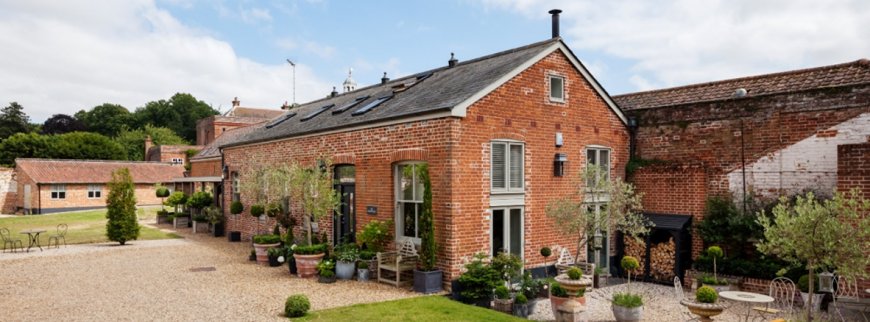
Standard home insurance policies are designed around typical, modern housing stock. For homeowners with larger, older, listed, or otherwise non-standard properties, that mismatch can create gaps in cover that only become apparent when a claim is made. Here's what is worth understanding,
Rebuild cost isn't the same as market valueOne of the most common misunderstandings in home insurance is confusing a property's market value with its rebuild cost. Rebuild cost reflects what it would cost to reconstruct the home from scratch, materials, labour, and specialist work included, and for older or characterful properties, this figure is often significantly higher than people expect.
Listed buildings may legally require specific materials, traditional techniques, or approved contractors for any repair or rebuild work. A standard policy calculated on general market data can significantly underestimate what the costs would be, leaving a homeowner underinsured without realising it.
As an illustration: a Grade II listed former barn, now converted into a luxurious home within a walled courtyard, might be insured based on a general rebuild estimate for a property of its size. However, if the roof needs reclaimed tiles and the brickwork needs matching reclaimed brick rather than modern facing brick, the true rebuild cost could easily come in 30–40% higher. That gap only becomes visible at the point of a claim, when it's too late to do anything about it.
Outbuildings and grounds aren't always automatically coveredAnnexes, garages, stables, garden studios, and similar structures are sometimes excluded from standard policies, or only covered up to a modest limit. It's worth checking exactly what's included, and what isn't, particularly for properties with substantial grounds or multiple structures.
Using the same illustrative example: the courtyard's further outbuildings and boundary walls may not be swept up automatically under the main building's sum insured. If they're used for storage, guest accommodation, or a home office, they may need to be added and valued separately, something that's easy to overlook when a policy is set up quickly.
Contents cover has limits that can be easy to exceedMost policies cap the amount payable for any single item and often set an overall limit for higher-value categories like jewellery, art, or antiques. These limits are usually well below what's needed for anyone with a meaningful collection or a handful of higher-value pieces, and they're easy to overlook until a claim is submitted.
Unoccupied periods can affect coverMany standard policies restrict or void cover if a property is left unoccupied beyond a certain number of days, a factor that can matter during renovations, extended travel, or between a purchase and moving in.
A few questions worth asking of any policy- Was the rebuild cost calculated specifically for this property, or estimated generally?
- Are outbuildings, annexes, and grounds explicitly included?
- What are the single-item and overall limits on contents cover?
- Are there restrictions around unoccupied periods, renovation work, or home-based business use?
Getting clear answers to these questions is the best way to understand whether a policy matches the property it's meant to protect.
Disclaimer: The information provided in this article is for general informational and educational purposes only and does not constitute formal finance, legal or regulated insurance advice. Insurance coverage is subject to specific policy terms, conditions and exclusions and underwrite appetites.


