
Beyond the Shop Front: Managing Car Parks and Public Realm Spaces
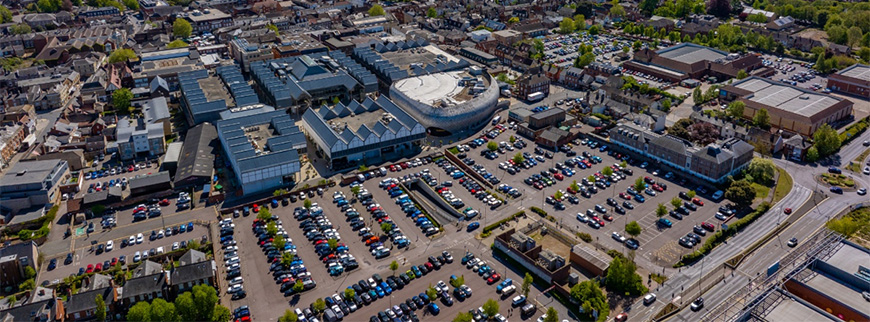
When thinking about risk at a shopping centre, attention naturally gravitates towards the units themselves, the shops, the shared corridors, the plant rooms behind the scenes. But for many retail assets, some of the most frequent liability claims arise outside the shop front altogether, in car parks, walkways, landscaped areas and other public realm spaces.
These areas are often used by more people, for longer periods, and with less direct supervision than the retail units they surround which makes them a significant area of exposure.
Why Car Parks Carry Disproportionate Risk
Car parks see some of the heaviest and most varied footfall of any part of a shopping centre. Shoppers, delivery drivers, contractors and staff all pass through the same spaces, often at different times of day and under different conditions. Common risk areas include:
- Surface defects: potholes, uneven paving and worn line markings are a leading cause of trip and fall claims, particularly in older or heavily used car parks.
- Lighting: poorly lit areas, particularly in multi-storey or underground car parks, increase both the risk of accidents and the risk of criminal activity.
- Vehicle and pedestrian conflict points: entrances, exits and pedestrian crossing points within a car park are where many incidents involving vehicles and pedestrians occur.
- Seasonal hazards: ice, snow and standing water are recurring causes of claims, and gritting and drainage arrangements need to be reviewed each year rather than assumed to still be adequate.
Multi-Storey and Structural Considerations
Where a car park is a multi-storey structure, additional considerations come into play, including:
- Structural inspections and maintenance of the deck, ramps and barriers
- Height restriction barriers and signage, to prevent vehicles exceeding safe clearance
- Fire safety within the structure, particularly given the increasing presence of electric vehicles and the specific fire risks associated with EV charging points
Public Realm and Landscaped Areas
Many modern shopping centres extend well beyond the building itself, incorporating landscaped walkways, seating areas, water features and open public spaces. These areas bring their own risk considerations:
- Uneven or slippery surfaces, particularly around water features or areas prone to moss and algae growth
- Street furniture and play equipment, requiring the same inspection and maintenance discipline as any other publicly accessible structure
- Events and temporary structures, such as markets, seasonal installations or pop-up units, which introduce short-term risks that fall outside standard day-to-day management
Who Is Responsible?
One of the more complex aspects of managing car park and public realm risk is establishing exactly where responsibility sits. In many shopping centres, these areas are shared spaces, and responsibility may be split between:
- The freeholder or landlord
- A managing agent acting on their behalf
- A third-party operator, where car park management has been outsourced
- Individual tenants, where responsibility for specific areas such as a loading bay has been allocated by lease
Clear documentation of who is responsible for what, including inspection frequency and maintenance obligations, is essential both for day-to-day risk management and for establishing a defensible position if a claim is made.
Evidencing Good Management
Public liability claims often turn on whether reasonable steps were taken to identify and address a hazard before an incident occurred. This makes record-keeping as important as the physical maintenance itself. Useful practice includes:
- Documented inspection schedules, with dated records of checks carried out
- A clear process for logging and actioning reported hazards, with timescales attached
- Records of remedial works carried out, including dates and confirmation of completion
- Regular review of lighting, signage and surface condition, particularly ahead of seasonal changes
Where an incident does occur, having this evidence readily available can make a material difference to how a claim is defended.
The Bottom Line
Car parks and public realm areas are often the most heavily used, least supervised parts of a shopping centre and the risk they carry deserves the same level of attention as the retail units themselves. Clear allocation of responsibility, regular inspection, and good record-keeping are the foundations of managing this exposure effectively, particularly in shared or multi-stakeholder sites where responsibility isn't always straightforward.
Disclaimer: The information provided in this article is for general informational and educational purposes only and does not constitute formal finance, legal or regulated insurance advice. Insurance coverage is subject to specific policy terms, conditions and exclusions and underwrite appetites.


